Caring for New Concrete So It Keeps Looking New
A little routine care keeps a driveway, patio or walkway looking the way it did the day the forms came off.
October 16, 2026 · 3 min read
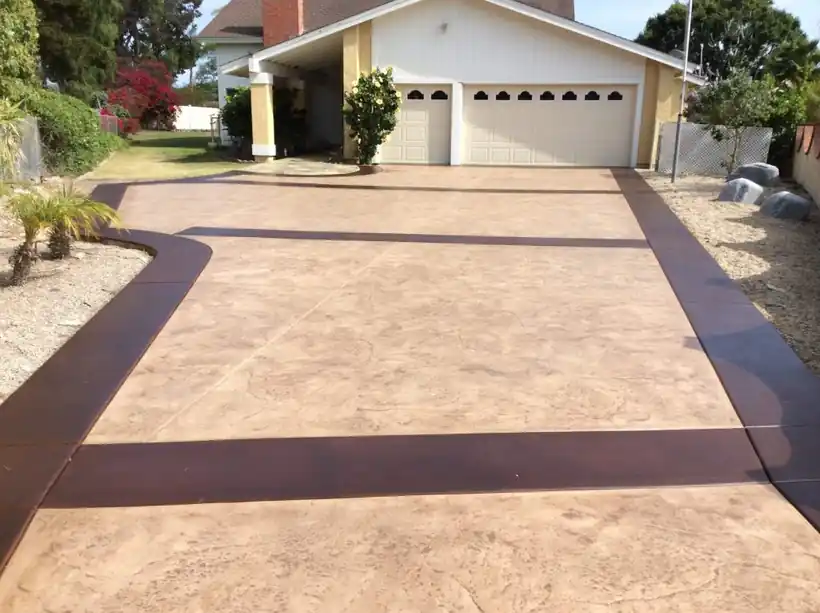
New concrete looks so clean and finished that it's easy to assume it will stay that way on its own. It will hold up better than most surfaces, but a little attention early on and a short routine afterward make the difference between a patio that still looks fresh and one that looks tired. Albert Cruz Jr.'s own advice fits in a sentence: keep it clean, fill small cracks and reseal every few years. Here's what each part means in practice.
The early weeks
Concrete keeps gaining strength well after it looks and feels hard. Your contractor will tell you when it's ready for foot traffic and when it can take vehicles, and that guidance is worth following to the letter. Keep heavy loads, dragged furniture and sharp tools off a new slab until you've been told it's ready.
Early on, watch where water goes. Sprinklers that spray onto the surface and leave mineral spots, planters that drip, and downspouts that discharge onto the slab can all leave marks. Redirect them now, while it's easy to do.
Everyday cleaning
Routine cleaning is simple. Sweep off leaves and grit, and rinse with a hose. For stains and general grime, use a mild detergent, warm water and a soft-bristle brush. Skip harsh acids and strong solvents on coloured or stamped concrete, since they can dull or blotch the surface.
Pressure washers help, with a few cautions. A wide fan tip held at a distance is fine. A narrow jet held close can etch the surface and strip off sealer. Oil and grease stains are easier to deal with when you act quickly, so blot a fresh drip with an absorbent material such as cat litter or sawdust before it sets in.
One of the perks Albert names for stamped concrete is that it's easy to clean, and the same goes for any well-sealed slab. A continuous surface with a sealer on it gives dirt very little to hold on to.
Small cracks
Even good concrete can develop hairline cracks. Many follow the control joints, the planned grooves in the slab, and they're harmless. The rest deserve a look. Albert's advice is to fill small cracks, and the reason is practical: an open crack lets in water and dirt, and eventually roots and weeds, and it only gets worse from there.
Clean the crack out, let it dry, and fill it with a flexible filler made for concrete, matching the colour as closely as you can. Pay attention to cracks that keep widening, or where one side sits higher than the other. Those point to movement in the ground underneath, and a filler won't fix that. It's a reason to call a contractor.
Resealing every few years
A sealer is the surface's protective coat. It helps keep out water and stains, brings out the colour in a tinted or stamped slab and makes cleaning easier. It wears away with sun, water and foot traffic, which is why it needs renewing every few years instead of once.
- Clean the surface well and let it dry completely.
- Repair small cracks first, so the sealer isn't covering open gaps.
- Apply the sealer in thin, even coats following the label, and don't let it puddle.
- Keep traffic off until it's fully dry.
Sealer choice matters when pets, kids and gardens are nearby. Albert uses non-toxic, eco-friendly sealers that are safe for pets and landscaping, and it's worth asking any contractor what's in the product they plan to apply.
Watch the edges of the slab
Many problems begin where concrete meets something else. Soil washing out along an edge, tree roots pushing up from below and irrigation hitting the same spot every morning all wear on a slab over time. Keep soil topped up beside walkways, trim roots that head toward the concrete, and aim sprinklers away from it.
A simple seasonal routine
- Spring: sweep, rinse and look the slab over for new cracks.
- Summer: rinse off spills, sunscreen and pool splash before they stain.
- Fall: clear leaves that hold moisture against the surface and leave marks.
- Every few years: clean and reseal.
None of this takes long, and it keeps small issues from turning into repairs. If you've had concrete poured by Albert Cruz Jr Concrete, or you're planning a driveway, patio or walkway and want it to last, call (760) 716-4142 for a free estimate. Albert has held his California concrete contractor license since 1990.
Albert Cruz Jr Concrete, (760) 716-4142
Call (760) 716-4142More articles
Concrete or Asphalt for a North County Driveway
Both materials can work, but they age differently under San Diego County sun, and the surface is only half of the job.
Stamped Concrete or Pavers: Which Fits Your Patio
Both can give you the look of stone or brick, and the real difference shows up in how each one holds up after the crew leaves.